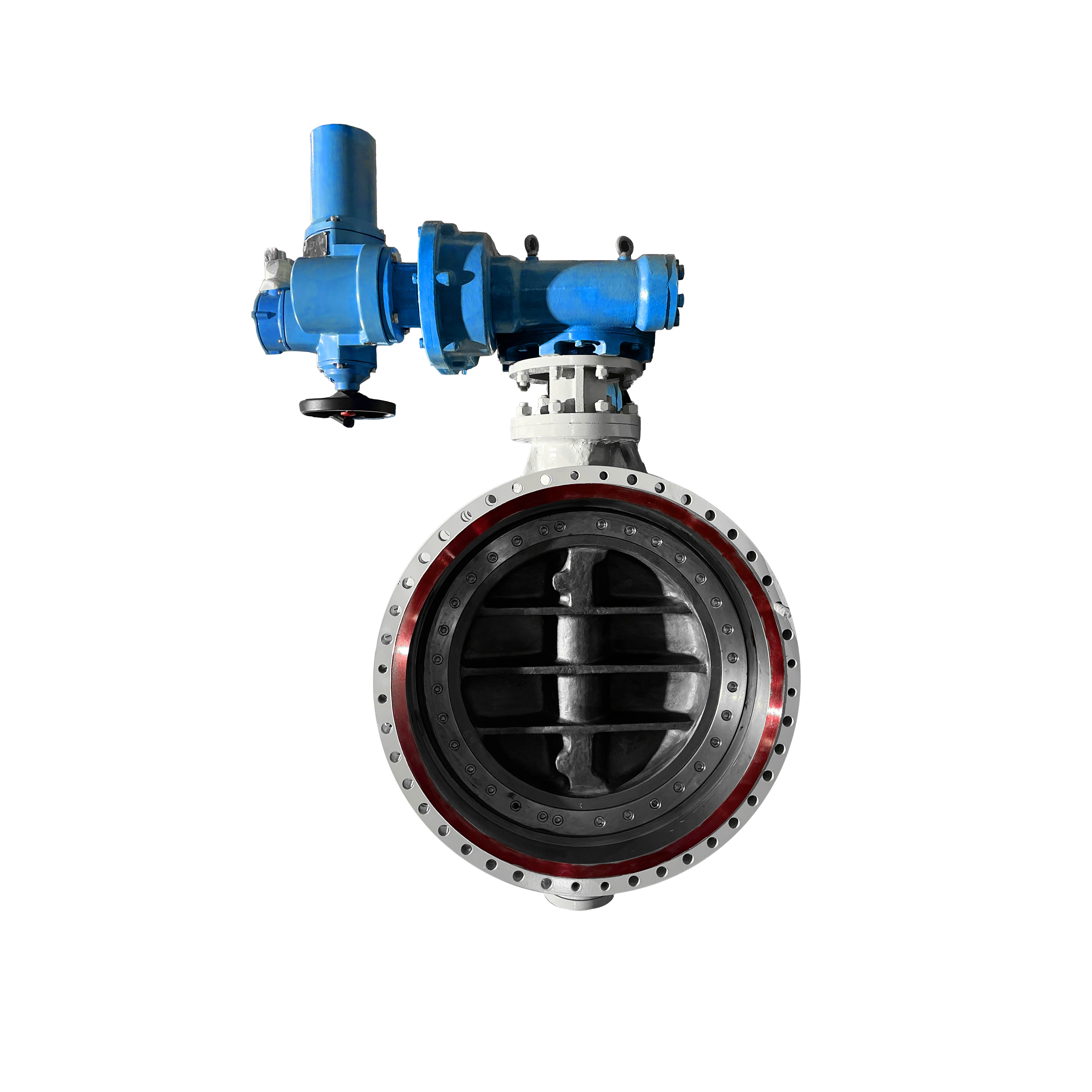
Find the perfect option for your needs and click here to compare details now
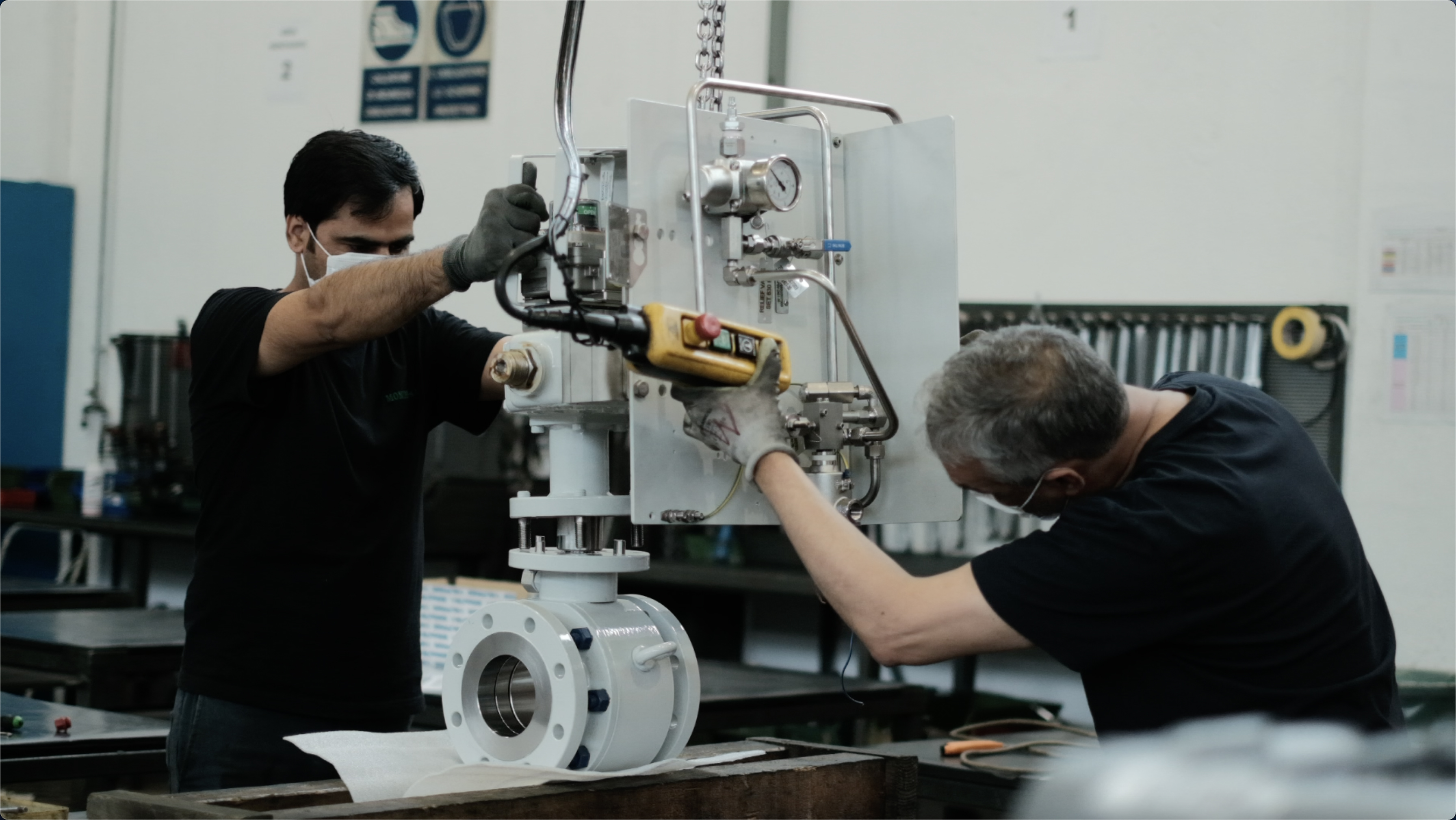
Mastering Gate Valves: Classes, Deployments, and Care
Shutter Switches, that fundamental tool for isolating flow in fluid lines, present a clear method for commencing or stopping fluid transit. Frequent categories include slanted gate, orbital gate, and blade gate, each suited for particular purposes, such as gas production, liquid purification, and industrial factories. Scheduled servicing, including comprehensive assessments, conditioning of working elements, and infrequent replacement of deteriorated stoppers, is necessary for assuring steady performance and prolonging the tool's term}.Evaluating A Preferred Current Regulation
When planning any fuming process, selecting the fitting mechanism kind is significant for flawless working. Globe valves and gate valves are commonly used, but handle markedly separate objectives. Gate valves are intended chiefly for wholly obstructing circulation and are never ideally configured for moderating stream speeds. Conversely, disc valves provide remarkable potential for meticulous process balancing and are usually used more where fluctuating flux variations are necessary. Deliberate on a function's unique stipulations before deciding this ultimate option.
- Gate valves - Optimal for activate-deactivate regulation.
- Round valves - Advantageous for adjusting movement.
Check Valve Functionality: Avoiding Opposite Flow in Piping Configurations
Backflow valves are critical units in many fabrication duct systems, designed to secure non-reversing movement of substances. Their fundamental objective is to stop counterflow, thereby could deteriorate machinery, taint inventory, or obstruct processes. They commonly act self-drivenly, empowering movement in one way while strongly obstructing circulation in the contrary vector.
Ball Valves: Virtues and Drawbacks for Commercial Application
Rotary valves are regularly employed in production settings due to their rudimentary design and steady operation. Nonetheless, it’s essential to consider both their favorable aspects and potential unfavorable characteristics. On the one hand, ball valves offer prompt shut-off capabilities, notable flow control when deployed in a moderate position (though usually not recommended for prolonged throttling), and are relatively cheap compared to diverse valve models.
- Uncomplicated Servicing
- Minor Power Decrease
- Secure Sealing mechanism
Inspection of Valve Classes: Gate, Globe, Check, and Ball
Learning the disparities concerning valve forms is essential for opting for the appropriate choice for a given function. Let’s adequately consider four widespread valves: gate, globe, check, and ball. Gate mechanisms grant minimal constraint to passage when thoroughly unhindered, making them ideal for substantial quantity jobs, but suffering poor control capabilities. Globe devices, in antithesis, boast a plate that rests against a orifice, allowing for careful transit balancing, although at the disadvantage of excess pressure drop. Check mechanisms are intended to inherently block reflux, serving as a forward-only security aspect. Finally, ball regulators use a round sphere with a aperture to permit flux, yielding accelerated clearance and ending with moderately low liquid decrease.
- Gate Valves: low resistance
- Globe Valves: regulated flow
- Check Valves: avoid reflux
- Ball Valves: quick opening
Deciding on the Best Device: A Reference to Stopper, Disc, Reflux Prevention, and Rotary
While dealing with gaseous transfer, picking the best controller is critical. Gate valves offer limited obstruction and are most fitting for unobstructed assignment, but don't well-suited for managing. Globe systems provide superb passage regulation and are advantageous for uses requiring fluctuating passage rates. Check instruments are automatic and grant stream in one path only, restricting reverse flow. Finally, ball apparatuses provide fast unlocking and are typically used in high-pressure cases due to their sturdy assembly.
Fixing Frequent Defects in Gate, Globe, and Ball Valves
Tackling impaired gate, globe, and ball systems can be frustrating, but most common issues are Butterfly Valve quickly remedied with a minimal of wisdom. Note some typical problems and expected solutions. For gate instruments, detect discharge around the casing, which usually indicates a degraded barrier. Globe mechanisms are likely to locking due to dirt – perform intermittent physical operation or rinsing to clear the obstruction. Ball systems should experience packing leaks if the globe is lacerated; changing the gasket is customarily the most suitable measure.
- Examine for damage
- Authenticate adequate lubrication
- Weigh specialist help if the trouble endures
A Purpose of Anti-return Valves in Sustaining Pipeline Stability
One-way mechanisms fulfill a critical duty in enhancing whole system protection across countless fields.Selected block return flow of fluids, which could produce significant perils such tainting of commodities, machinery defect, and even laborers harm.As an example, in a moist distribution, check units preserve the stock from getting contaminated by reversed stress. As well, these permit protected closure steps and limit the exposure for uncontrolled discharge incidents.
Imagine an ensuing circumstances:
- Defense of essential devices from degradation due to retrograde load.
- Safeguarding the cleanliness of drinkable aqua sources.
- Stopping dangerous material backwash into allowed locations.
Grasping Regulation System Styles: Gate, Globe, Ball, and Check
Though all serving as important components in liquid flow, gate, globe, ball, and check apparatuses differ significantly in design and function. Shutoff valves offer minimal flow blockage when fully clear, ideal for isolation but