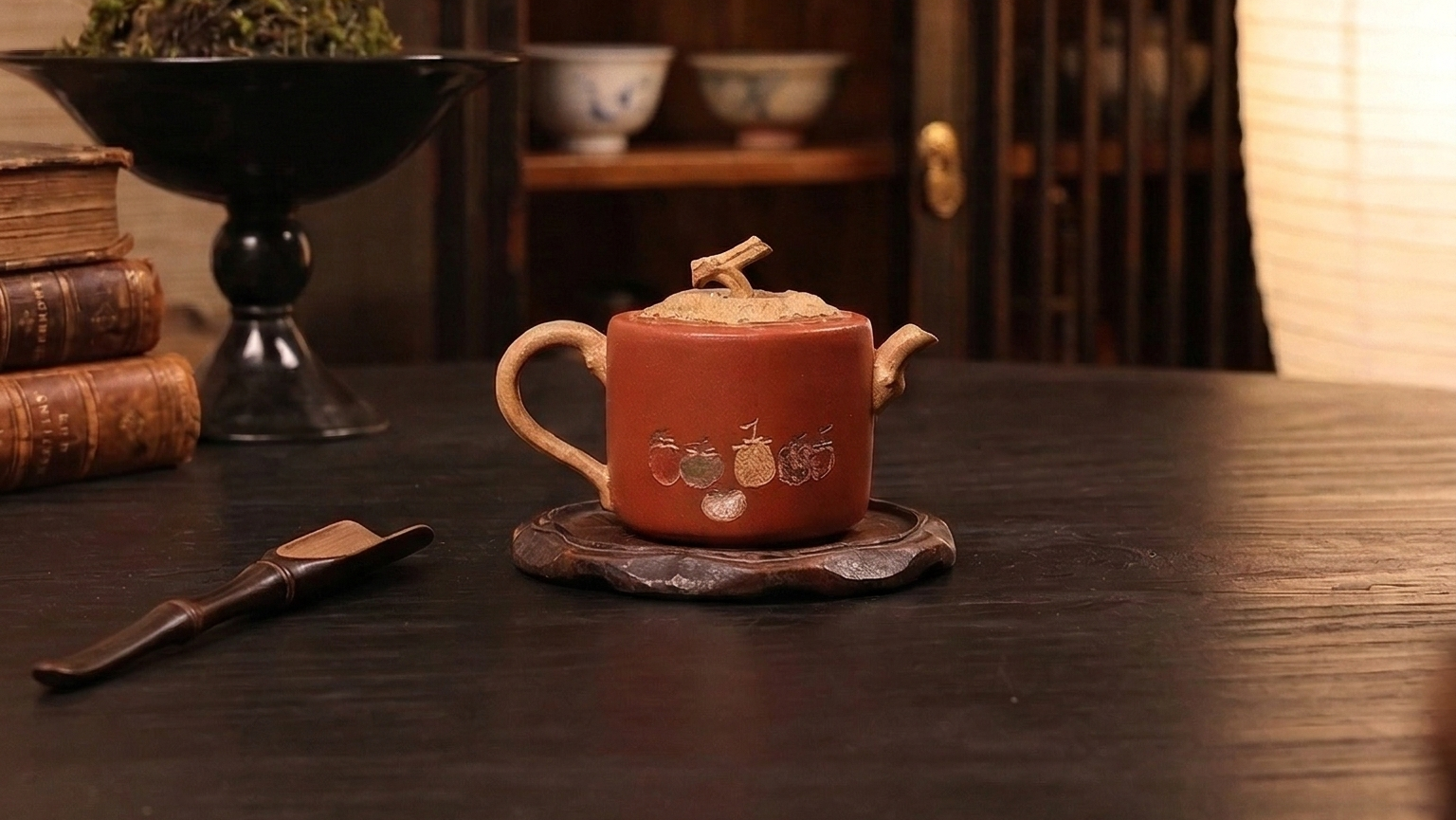
gallery grade Zisha flavor focus teapot?
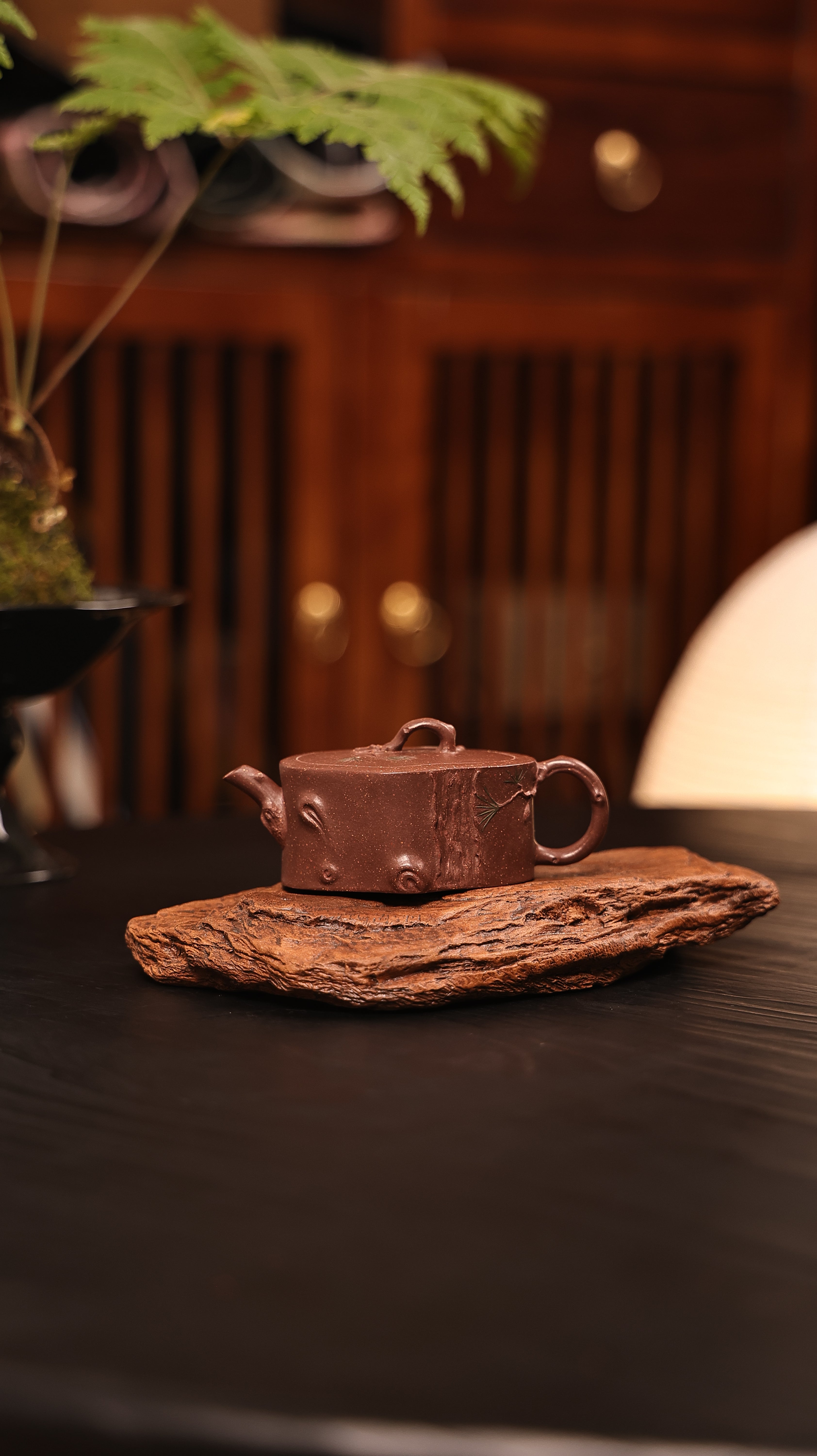
Launching the complete analysis pertaining to Eysing Tzu-sa ceramic vessels showcases special captivating fusion including know-how alongside usefulness.
Issing Zisha ceramic vessels possess this unique appeal regarding gatherers globally. The exceptional terra cotta vessels, sourced from the specific Ihsing district around Jiangsu territory, China, function as more than just steeping vessels; they are acknowledged as works design beauty and historical significance. The finely graded clay, known by Zisha, imparts a nuanced flavor upon the tea, and the elaborate designs, often embodying traditional Chinese patterns, contribute to their intrinsic value. Collecting a genuine Yixing Zisha teapot is a fulfilling journey, requiring careful study and an understanding of the manifold factors influencing the uncommonness.
Learning about Yixing Pottery
Ising ceramic containers boast a storied background deeply interwoven with Chinese culture. Originating in Yixing, Jiangsu zone, these pitchers are crafted from a unique, porous purple dirt found only in that exclusive location. Their creation began during the Ming era, with master creators refining the approaches over ages. Various types prevail, including the classic Hexiang (resembling crab shells), Zhuni (red-brown hue), and Duan Ni (stone-studded) – each with distinctive features. The importance of an Yixing brewing pot isn't solely based on its size or adornment, but also Yixing Zisha Teapot on the artist’s reputation, the clay's quality, and the pot’s age and condition. Connoisseurs often seek out older examples, believing they absorb the character of the infusion brewed within them over time, further adding to their prominence.- Vintage Ceramic Pots
- Red-Brown Brewing Vessels
- Mineral-Stippled Teapots
Zisha Teapot Mastery: Handiwork & Methods
Unique production of Zisha teapots represents a zenith of Chinese ceramic expertise. Seasoned artisans employ established techniques, often passed down through offspring, to unlock the full character of this unique clay. Systems involve meticulous molding by hand, often combined with the wrapping method, followed by precise firing at incredibly extreme temperatures in wood-fired kilns. Illustrating is equally crucial; makers utilize original clay colors and may incorporate sculpting work to depict intricate scenes or patterns, demonstrating a profound insight of the material’s capabilities and voice. The product teapot isn't merely a vessel for tea, but a testament to a rich cultural inheritance.
Traditional Vessels: This Presentation to 宜兴 Tzu-sa
Studying the world of a teapots commonly kicks off with Yixing Zisha. These distinctive clay containers are formed from a specific type of clay mined only in the Yixing region of Jiangsu province. Renowned for its notable reddish-purple hue and high-quality qualities, Zisha clay gives a nuanced flavor to the drink and refines with age, transforming a cherished prized possession. Collecting Yixing Zisha vessels is more than just holding a exquisite object; it’s a dedication of ancestry and artistry.
Exploring such Clay Pottery: Legitimacy & Advancement
Starting the arena of Yixing Zisha creations can be both lucrative, but demands a thorough knowledge. Truthfulness is vital; countless copies are found, commonly expertly fabricated. Familiarizing oneself about ancient tempering styles, peculiar dirt particulars, and the emblems of esteemed creators is entirely fundamental. Besides, comprehending the intricacies of the market direction – influenced by factors such as archaic value and the shape of the artifact – is important to successful assembling.
- Studying heating origins.
- Seeking scholars for attestation.
- Evaluating sales dynamics.
Unique Technique of Steeping with a Yixing Holder
That singular allure of a Zisha brewing system lies not just in its splendid appearance, but also in its well-known impact on the savor of the beverage. These vintage clay earthenware, sourced from particular regions of China, possess a fundamental porosity that quietly interacts with the liquid and leaves, imbuing the tea with a soft character. Mastering the method requires a mindful approach, understanding how the ceramic responds to multiplex temperatures and botanical types, ultimately leading to a authentically rewarding imbibing process.
Yixing Teapot Care: Preserving Own Heirloom
Proper treatment of your Yixing urn is essential to protecting its lifespan. These extraordinary teapots, crafted from exceptional Yixing clay, accumulate a history over ages that increases their prestige. Periodically rinse the inside part with plain water, avoiding soap-based cleaners, and never use strong scrubbing tools. Sporadic gentle polishing with a smooth cloth can assist in taking off stains. Allow your container to properly dry once each infusion
Decoding Terracotta: Elements This Ceramic Pots Illustrate Special
The distinguished appeal of Yixing teapots originates in the particular properties of Ceramic clay, located solely near Yixing, the Yixing district. This distinct clay, consisting of ferruginous soil , boasts a peculiar combination of elements that, after aging, receive the taste of the beverages it embraces. This yields a singular aroma for each earthen vessel, ensuring it a value far more than its first price and helping to their honored status among collectors.
Locating the Optimal Classic Clayware: A Stoneware Explanation
Venturing into the world of Zisha clay teapots can feel daunting, but understanding the essentials is crucial to identifying a cherished piece. This variety of clay, sourced largely from the district of Yixing, Jiangsu territory, is distinguished for its singular structure and ability to adapt the savor of the liquor over stretch. Appraise the shape, the color, and the overall aesthetic; a genuine Zisha teapot is more than just a vessel; it's a work of art and a symbol of Chinese culture. Look for the symbol of the fabricator for clues to its roots and potential merit.