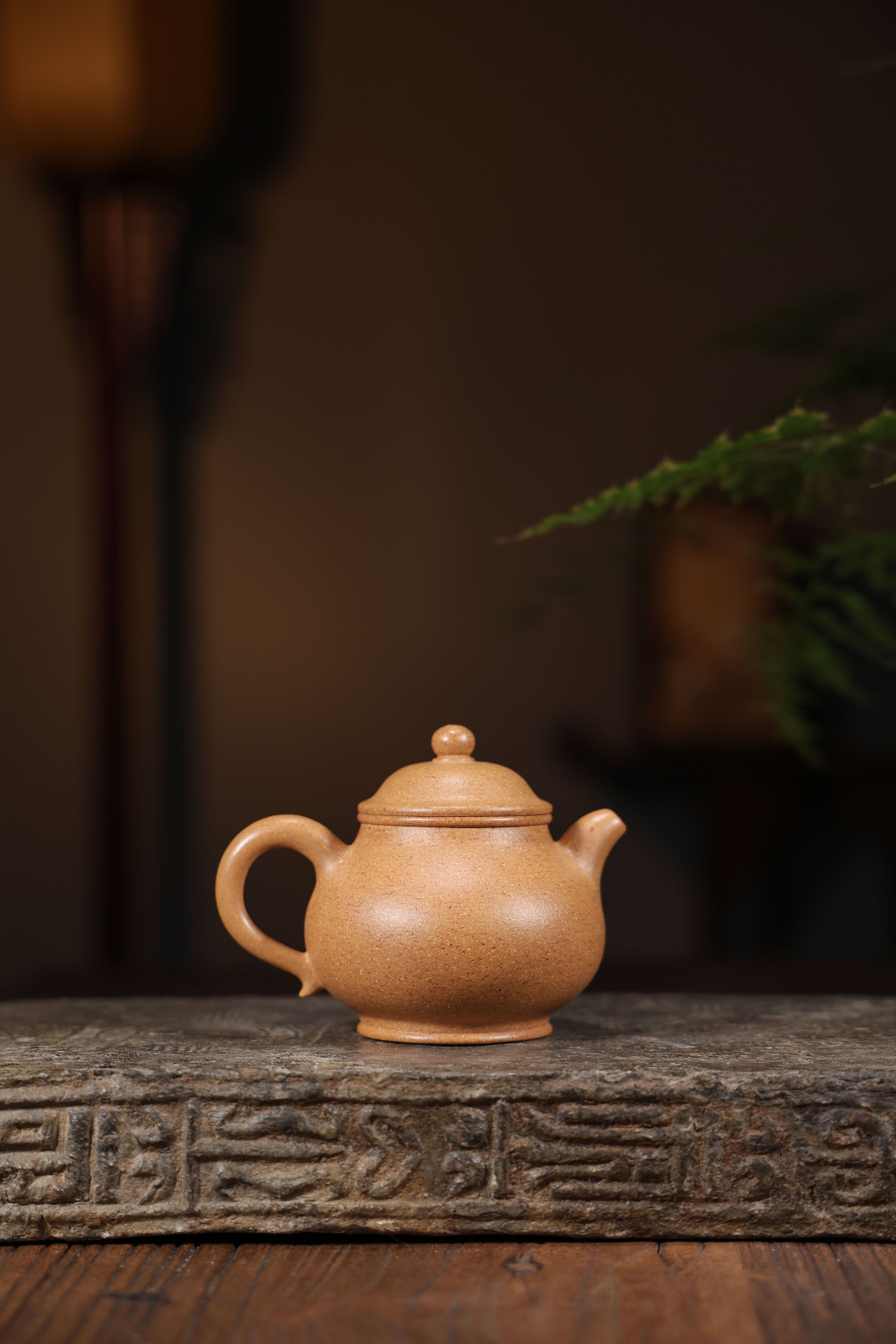
How does highlighting brewing science validate a premium Yixing Teapot price?
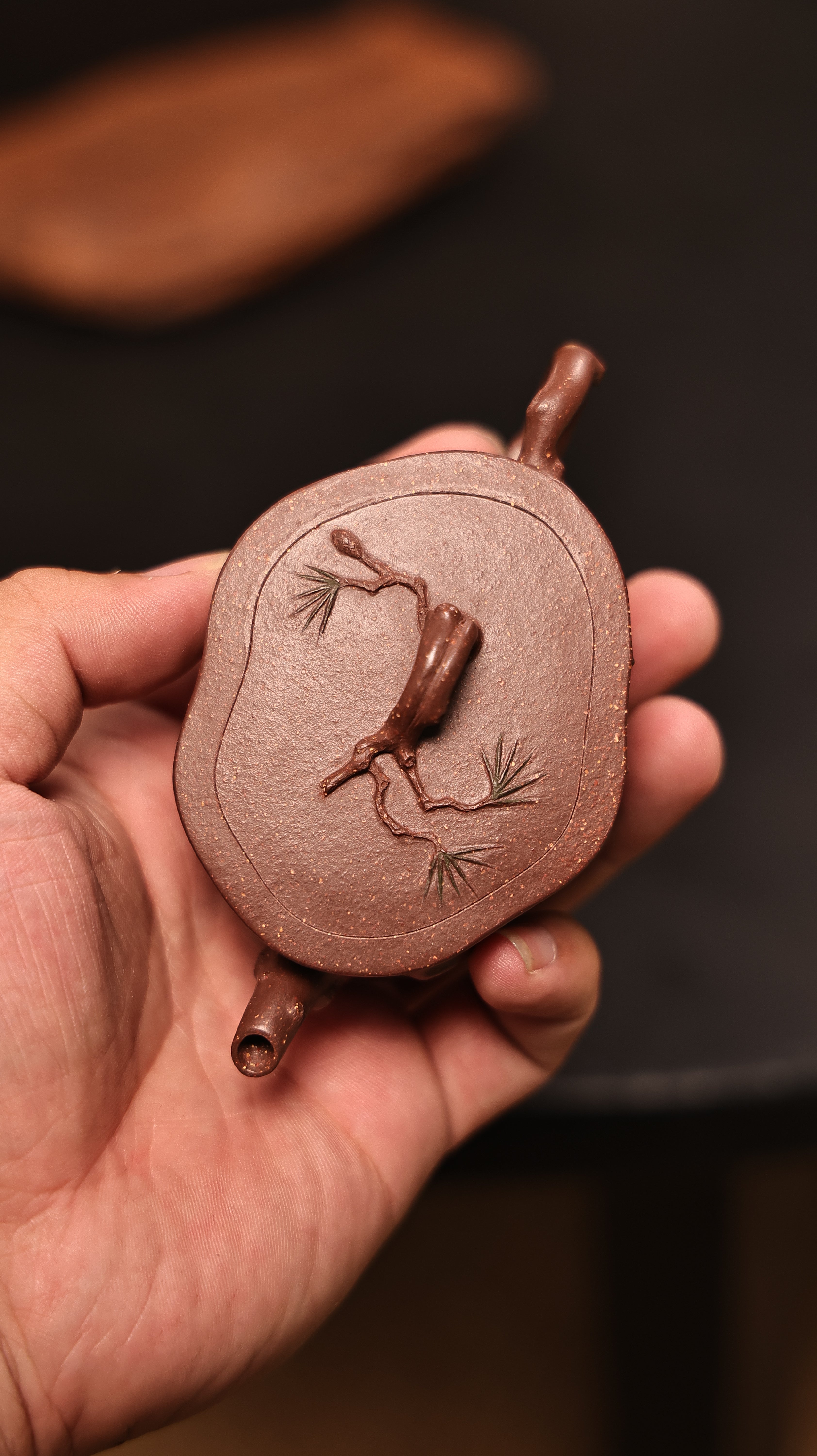
In the realm of timeless legacies,
Across periods, connoisseurs have been enthralled by the unique charm of Yixing Zisha teapots. Originating from the locality of Yixing in the nation of China, these utensils are renowned for their exceptional beauty, scarce clay, and natural ability to augment the savor of the beverage. The element's distinctive burgundy hue, combined with the adept manufacture of provincial builders, creates works that are jointly functional objects and treasured endowments. Possessing a Zisha teapot is more than just certain purchase; it's welcoming a rich ethnic heritage.
Comprehending Yixing Teapots: History, Models, and Cost
Famous Yixing teapots manifest a extensive heritage deeply intertwined with Chinese culture. Emerging in the Yixing region of Jiangsu province, these clay vessels boast a heritage extending back to the Ming Dynasty. Initial examples were functional, but over centuries, Yixing teapot building evolved into an esteemed art form. The clay itself, known for its unique composition and ability to boost the flavor of the tea, exists a defining factor. Yixing teapots exist in various styles, broadly categorized by shape: Typical such as Zhuni (purple clay) and Bisheng, as well as distinct designs. The cost of Purple Clay Teapot a Yixing teapot depends on several factors, including the potter’s acclaim, the age of the piece, the rarity of the clay, and its aesthetic beauty.- Heritage: Early periods
- Clay: Assorted selections
- Assessment Factors: Historical period
Zisha Craftsmanship: Methods and Creators
One production of a bona fide Zisha teapot is a complicated process, requiring generations of mastery. Expert artisans meticulously choose the prime Zisha clay, a specialized earth found only in specific regions of China. Traditional techniques, often passed down through families, involve detailed shaping, delicate carving, and calm firing in ancient fireplaces. The definitive teapot isn't merely a pot; it's a testament to expressive vision and the meaningful connection between the sculptor and their roots. Each artifact showcases the unique touch of the specialist, resulting in a truly matchless work of art.
Historical Teapots: Investigating the Comprehensive Legacies of Yixing Domain
Renowned Yixing, set in Jiangsu the territory, is broadly renowned for its exceptional vessels – a tangible representation of centuries of Chinese craftsmanship. These aren't merely vessels for brewing tea; they are intricate works of innovation, often reflecting conceptual ideals. Yixing's unique purple clay, known as Zisha, possesses notable qualities: it dense, open to air, and imparts a subtle nuance to the tea.
- Many lineages have honed the techniques of Yixing urn making, passing down secret methods through lineages.
- Admirers prize these pieces for their charm and uniqueness.
- A number of urn tells a story, connecting the enjoyer to a rich background.
Investing in Yixing Zisha: Important Factors
In the process of assessing procuring Yixing Zisha vessels, countless points expect careful review. Firstly, the earth's tone is vital; authentic Zisha habitually exhibits a identifiable auburn tinge. What's more, examine the craftsmanship; precise markings and a elegant overlay demonstrate expert fabrication. To finish, examine the craftsman's standing; famous names obtain superior rates and often afford a stronger yield.
Zisha Teapot Tea Brewing Mastery
Producing appetizing tea with a Zisha jar is more surpassing a simple technique; it's an mastery. Zisha clay, known for its unique geological composition, imparts a delicate character to the finished tea that’s often deficient with other implements. The ideal water degree is crucial; typically, milder than what's used for black tea, to protect the tea's essence and note. Consider meticulously the tea selection; delicate green teas or aged pu-erhs benefit from the Zisha’s ability to lessen their primitive edge. It’s vital to rinse the teapot before brewing, and to exclude over-steeping. Mastering this skill leads to a authentically exceptional tea experience.
- Realizing Zisha Clay
- Water Warmth & Kind of Tea
- Significance of Pre-heating
Enhancing Your Celebrated Vessel
To sustain the durability of your precious Yixing earthenware, careful protection is essentially necessary. Eschew using soapsuds; instead, gently purify it with lukewarm H2O. Refrain from immediate fluctuations; refrain position the teapot directly onto a searing area. Periodically, enrich the clay pot by percolating it with fine matured brew, as this helps to increase its character and guards the inimitable essentials of the substance.
Dealing with Soil to Drinkware: The Path of a Renowned Teapot
This creation of a Zisha teapot is a extraordinary method, a proof to both nature's bounty and the ability of the specialist. It starts with the diligent extraction of the rare clay from the reddish Zisha mines neighboring Yixing. This prime material, known for its superior properties, is then measuredly refined and formed for the foundational forming. The pot's contour is artfully crafted using a blend of historical forming methods, often incorporating detailed ornaments. Following aging, the vessel undergoes a essential first firing, preceded by a varnishing stage, which might involve countless layers of pure Zisha slips. Finally, a second, and sometimes third, firing at intense temperatures finalizes the object, revealing its definitive beauty and magnificent characteristics - a honest masterpiece, ready to enhance a tea gathering.
{Yixing Teapots: A Token of the Custom and Tribute
Legendary Yixing teapots, originating from the noted Yixing region of Jiangsu province, are far more than mere jars for brewing tea; they represent a profound aspect of Chinese customs. Made from distinctive purple clay – zisha – these exceptional teapots are highly valued for their ability to improve the flavor of the tea and, crucially, for their artistic merit. The tradition of Yixing teapot making spans centuries, and the expertise involved is transmitted through generations, making each teapot a beautiful object that embodies classical techniques and a profound appreciation for the refined pleasures in life.