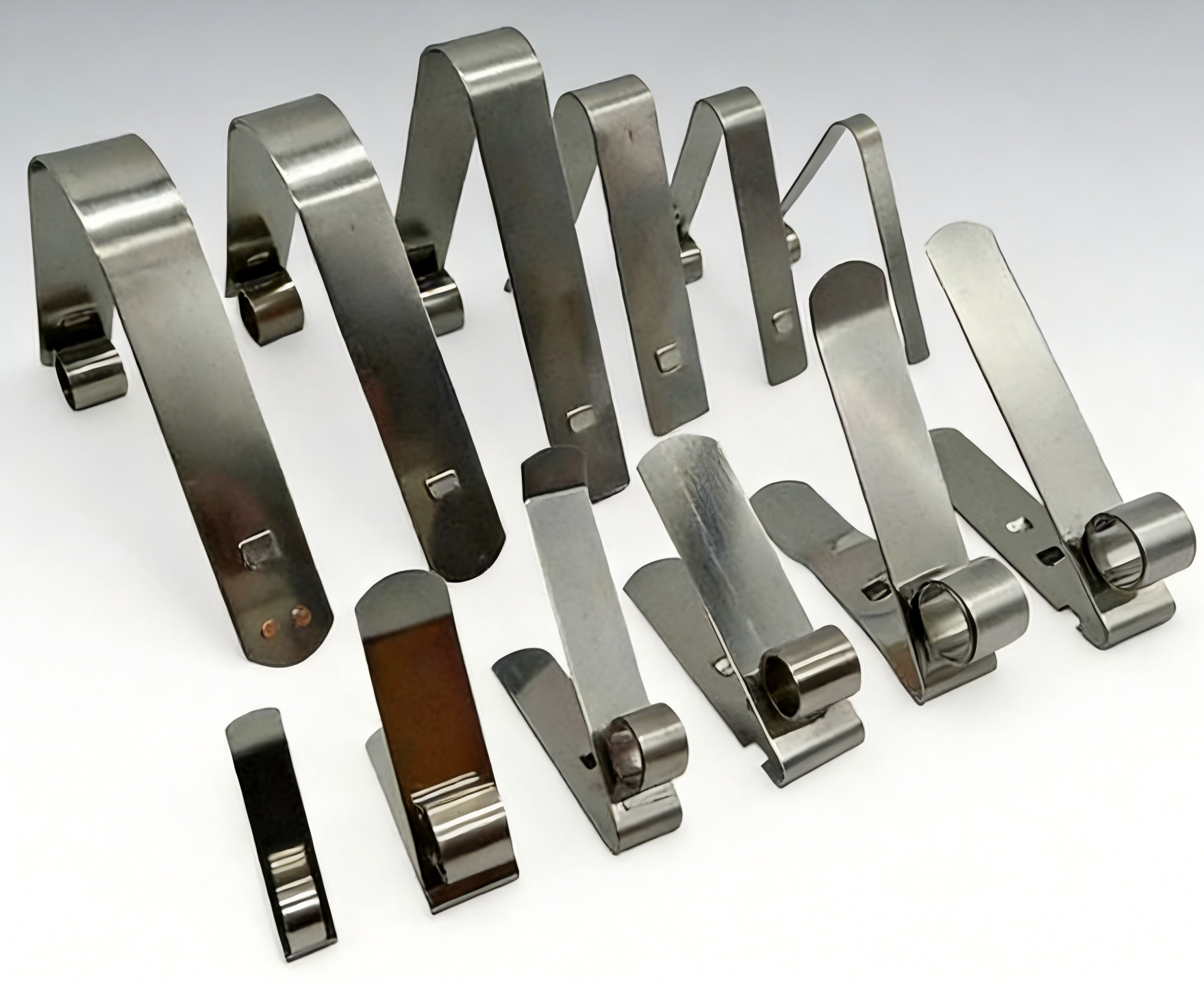
implementation ready market centric carbon brush holders campaigns?
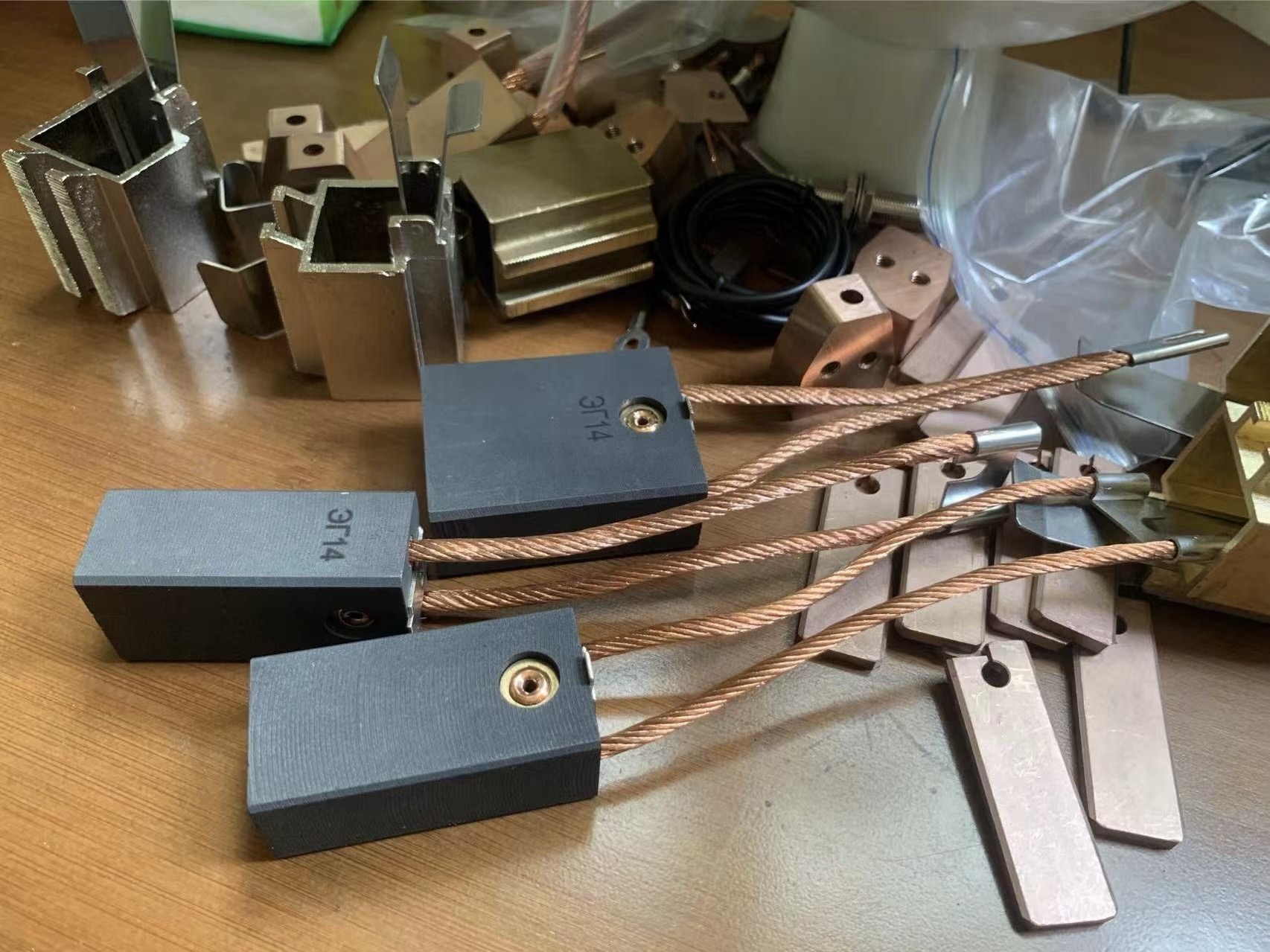
Protecting maximum capability in addition to continuance owing to their electrical brushes, certain forward-looking procedure functions as indispensable. Periodically check the contact brushes to watch for marks of erosion, for example splits alternatively overabundant abrasion. Protecting adequate link connecting brushes to the commutator is fundamental. It is possible using tightening the holder screws for brushes to achieve a tight clamp without extra stress. In addition, sustaining holders neat and without contaminants encourages uninterrupted functioning. To obtain superior results, plan to substitute brushes routinely following supplier’s instructions. Systems with maintained brushes sustain reliable electric transmission and lengthen gear endurance.
Expert Advice on Carbon Brush Holder Selection
Concerning the creation or selection process of brush holders for electric engines, a number of factors need careful consideration. Holder fabrication notably alters brush efficacy, lifespan, and entire efficiency. To maintain high operational standards and lifetime, selecting a holder adhering to motor specifications is critical.
- Various issues affect perfect brush holder design, like motor category, voltage and amperage limits, working conditions, and targeted output.
- Determining materials is important for suitable holders Regular components include copper blends, synthetic substances, and ceramic composites, each conferring individual features about conductivity, lastingness, and thermal endurance.
- Blueprint and setup for brushes further contribute importantly Volumes, proportions, and dispositions of brush units need close determination to secure proper energy transfer and commutator adhesion.
Besides, holder design needs to embrace aspects controlling brush degradation, resistance, and electrical sparking. Typically calls for including springs, fixtures, contact systems maintaining regular brush force combined with airing, cooling, heat dispelling organizations to limit overheating.
Slip Ring Construction and Materials for Enhanced Reliability
The durability of a slip ring system is directly influenced by the quality of its constituent materials. Construction practices also play a crucial role in ensuring long-term reliability. Typically employed substances cover copper, brass, bronze for interfaces, paired with insulators like mica or epoxy offering electrical separation. Up-to-date rotating ring designs usually include traits like self-oiling, sealed, contaminant-shielded bearings lowering deterioration and damage. Elevating usage lifespan. Meticulously formed slip ring units with appropriate material choices remain paramount for sustaining consistent energy passage and reliable functionality in arduous atmospheres.
Collector Ring Fabrication
Collector rings constitute key parts in numerous electromechanical uses, especially where rapid spinning occurs. Collector ring assemblies integrate multiple conductive loop components encouraging electrical or information flow between immobile and rotating aspects. The assembly of collector rings demands major steps including proper materials picking, exact machining, and strong mounting to a spinning shaft. Proper assembly ensures reliable electrical connections and minimizes friction between the rings and brushes.
- In addition, inspecting ring measurement, segment number, and insulation substances is necessary when building collector rings. Individual assembly protocols alter in line with collector ring roles and manufacturer’s guidelines.
- Comprehending collector ring assembly details is critical among engineers and specialists engaged in rotary electrical gear design, manufacture, or servicing.
Preventing Electrical Arcing in Rotating Systems
Electrical arcing within rotating systems can lead to a plethora of hazardous situations. This occurrence takes place as high-powered electricity pursues a wrong circuit, often due to insulation damage or misalignment. Assorted safeguarding practices help minimize peril. Primarily, confirming insulative robustness is indispensable. Ongoing scrutinies and changes of faulty or damaged insulation curb sparking incidents. Following that, correct oiling of rotary elements curbs resistance, reducing abrasion upon electric connections. Besides, applying consistent earthing arrangements effectively sinks stray charges, reducing spark likelihood. Concluding, careful calibration of rotation parts impedes added force on electrical connectors, further easing arcing probabilities.
Comprehending Carbon Brush Deterioration Processes
Carbon brush abrasion happens regularly in electric motors and generators. This wear can be attributed to a complex variety of mechanisms that influence the life expectancy of brushes. Most common cause of brush wear is chafing, caused by incessant friction between brush and commutator. Such friction causes warming and persistently wears away the carbon block. Moreover, electrochemical corrosion adds to wear, as chemical interactions on brush and commutator surfaces cause progressive material loss. Other elements intensifying brush erosion are electric arcing effecting localized destruction on brush contact zones. Incorrectly fitting brushes further increases wear velocity. Realizing these brush degradation paths helps increasing electric device operation and durability by choice of right materials and maintenance plans.
Components Governing Brush Longevity
Service duration of carbon brushes relies on assorted contributors. Scraping damage due to commutator interaction is a primary cause, amplified by poor lubrication. Choice of carbon material in brushes substantially influences wear performance, tougher kinds having stronger resistance. Ambient temperature can also affect lifespan, as excessive heat can degrade the carbon's structure. At last, erroneous installation of brushes provokes premature fault.
Troubleshooting Common Carbon Brush Issues
Carbon brushes function as significant parts in various machinery allowing smooth power conveyance between nonmoving and rotating elements. Yet brushes suffer erosion over time from contact, thermal influence, and debris aggregation. Recognizing common carbon brush issues early on is essential for preventing motor damage and downtime. A frequent sign is a grinding noise produced by the motor. It typically marks degrading brushes or insufficient commutator connection. Inspecting the brushes visually can reveal signs of wear, such as visible grooves, cracks, or excessive length. An additional frequent fault includes cutback in motor output with weak power or startup failure. Such could mean brushes can no longer carry electrical flow effectively. Moreover, perceiving sparks by brushes unmistakably reveals contact faults calling for quick remedy. To manage problems, quick swapping of worn-out brushes is advisable. Utilize excellent substitute brushes compatible with your individual motor model. Guarantee new brushes are suitably positioned and establishing reliable contact with commutator. Clearing commutator surface pre-installation aids brush effectiveness. With consistent carbon brush care, motor issues are preventable and machine life lengthened.
Selecting the Right Slip Rings for Your Application
In choosing slip rings for your usage case, numerous parameters merit evaluation. At first, deciding types of signals passing through slip rings holds relevance. This could include electrical signals, mechanical motion, or a combination of both. Likewise, taking into account climates affecting slip rings is essential. These variables cover thermal states, wetness, and shaking.
- Also, sizing and matching slip rings to systems must be noted.
- Lastly, remembering the role of reliable manufacturers known for superior slip rings matters.
By intensive evaluation of these influences, best slip rings can be opted meeting specific expectations.
Reducing Vibrations and Sounds in Collector Ring Systems
{Collector rings collector rings play a crucial role in rotary applications by facilitating the transfer of power and signals|Collector rings have key importance in rotational settings