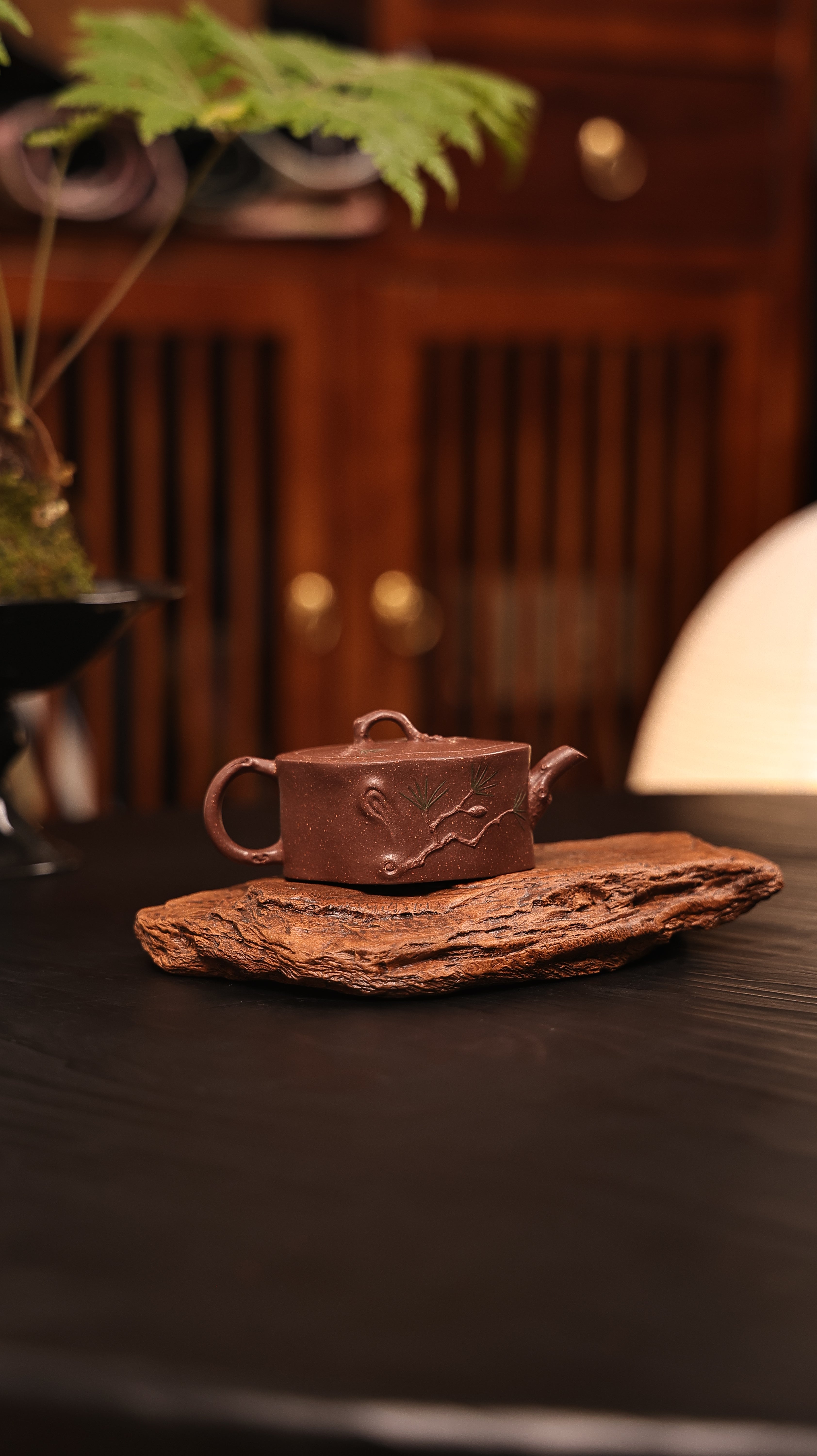
tea focused Chinese tea ritual teapot?
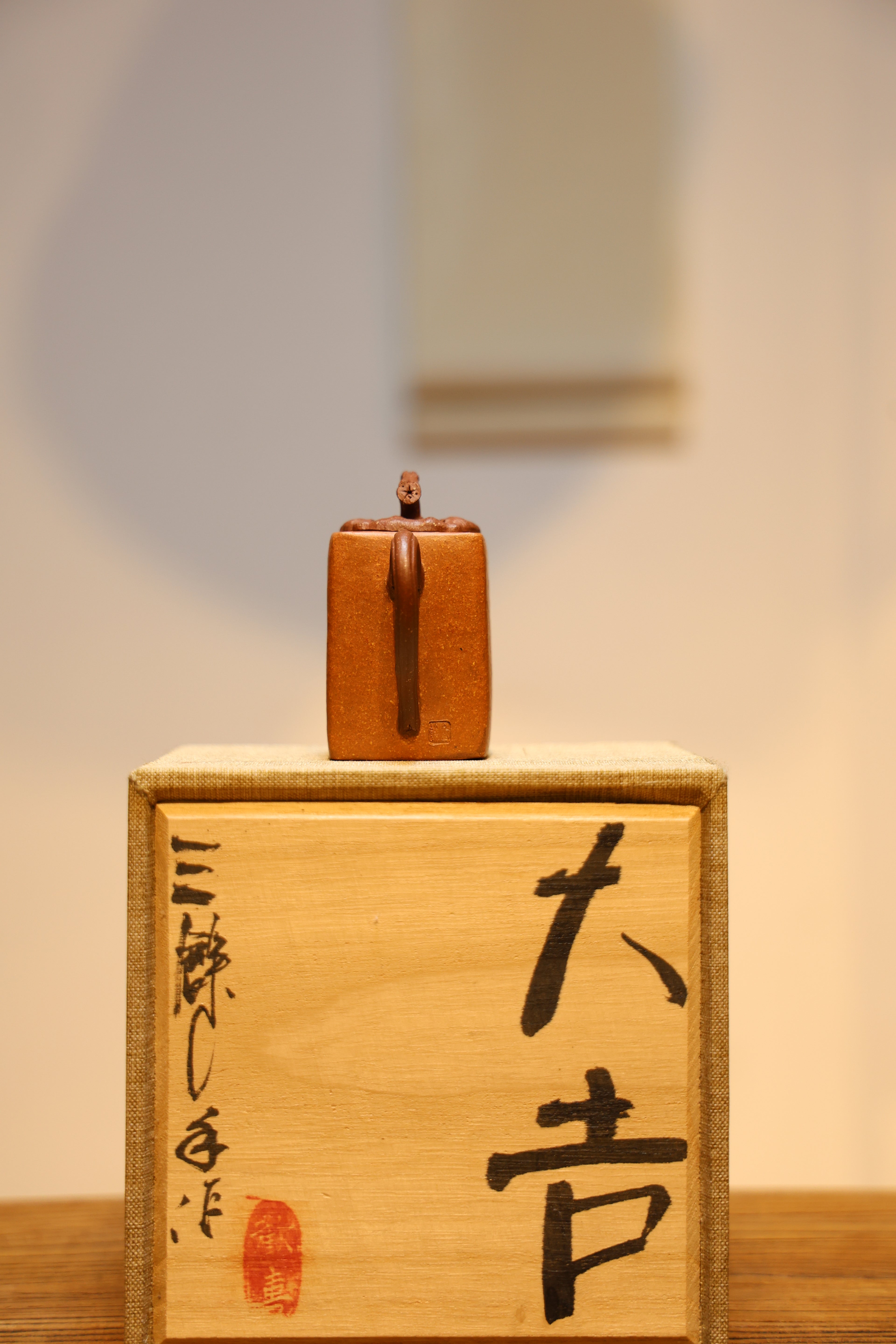
Commencing our comprehensive study touching on Ihsing Tz'u Sha porcelain pots brings an fascinating mixture among technique accompanied by efficiency.
Issing Zi-sha clay vessels contain this peerless enticement for collectors around the planet. The fascinating ceramic vessels, derived from the unique Eysing zone near Jiangsu region, China, feature more than just teaware; they are considered works design beauty and legacy significance. Distinct finely selected clay, known referred to as Zisha, imparts a refined flavor within the tea, and the intricate designs, often revealing traditional Chinese designs, add to their fundamental value. Collecting a genuine Yixing Zisha teapot can be a enjoyable journey, entailing careful analysis and an appreciation of the various factors influencing the exclusivity.
Delving into Yixing Teapots
Issing pottery vessels boast a deep background deeply interwoven with Chinese identity. Originating in Yixing, Jiangsu district, these containers are crafted from a unique, porous purple mud found only in that distinct location. Their creation began during the Ming session, with master makers refining the processes over decades. Different types appear, including the classic Hexiang (resembling crab shells), Zhuni (red-brown hue), and Duan Ni (stone-studded) – each with distinctive appearances. The cost of an Yixing tea container isn't solely based on its size or design, but also on Yixing Teapot the artist’s reputation, the clay's quality, and the container’s age and condition. Buyers often seek out older examples, believing they imbibe the nuance of the liquid brewed within them over time, further adding to their status.- Antique Earthen Pots
- Zhuni Earthen Pots
- Stone-Studded Ceramic Pots
Zisha Teapot Mastery: Artistry & Means
Such formation of Zisha teapots represents a pinnacle of Chinese ceramic ability. Master artisans employ historic techniques, often passed down through heritage, to unlock the full capability of this unique clay. Practices involve meticulous forming by hand, often combined with the wrapping method, followed by precise firing at incredibly extreme temperatures in wood-fired kilns. Detailing is equally crucial; potters utilize native clay colors and may incorporate modeling work to depict intricate scenes or patterns, demonstrating a profound knowledge of the material’s aspects and manifestation. The finished teapot isn't merely a vessel for tea, but a testament to a extensive cultural custom.
The Claywares: Special Overview to Eysing Zi-sha
Exploring the world of a teapots commonly opens with Yixing Zisha. These unique clay pots are fashioned from a dedicated type of clay found only in the Yixing region of the Jiangsu province. Acclaimed for its exclusive reddish-purple hue and premium qualities, Zisha clay gives a nuanced flavor to the elixir and advances with age, becoming a cherished gem. Curating Yixing Zisha vessels is more than just having a stunning object; it’s a recognition of history and talent.
Surveying exclusive Zisha: Genuine Nature & Value
Entering the field of Yixing Zisha clayware can be extremely gratifying, but needs a acute awareness. Sincerity is indispensable; various forgeries are found, commonly cleverly manufactured. Informing oneself about time-honored heating systems, characteristic earth qualities, and the markings of reputable manufacturers is fully essential. Besides, comprehending the details of the value trend – influenced by determinants such as antique consequence and the quality of the item – is paramount to beneficial buying.
- Examining kiln trajectory.
- Turning to professionals for verification.
- Appraising business trends.
A Method of Infusing with a Purple Holder
That special allure of a Zisha teaware lies not just in its elegant appearance, but also in its notable impact on the flavor of the tisane. These historic clay pots, sourced from distinctive regions of China, possess a inherent porosity that mildly interacts with the fluid and leaves, imbuing the drink with a gentle character. Mastering the method requires a steadfast approach, understanding how the soil responds to different degrees and herbal types, ultimately leading to a authentically rewarding imbibing process.
Sustaining Individual's Treasure
Proper care of your Yixing pot is vital to securing its lifespan. These extraordinary teapots, crafted from exceptional Yixing clay, build up a patina over periods that elevates their importance. Occasionally rinse the body with soft water, avoiding chemicals, and never use severe scrubbing tools. Occasional gentle dusting with a plush cloth can aid in wiping away stains. Allow your container to properly dry once each occasion
Explaining Purple: Aspects Yixing Clay Pots Signify Unique
The celebrated appeal of Yixing teapots emerges from the singular properties of Purple clay, extracted solely near Yixing, the Memorable Chinese region. This exceptional clay, classified as ferruginous mud , possesses a strange combination of substances that, as years pass, absorb the taste of the beverages it embraces. This generates a one-of-a-kind taste experience for each pot, providing it a merit far outperforming its initial price and leading to their coveted status among devotees.
Spotting the Appropriate Regional Teapot: A Yixing Clay Introduction
Venturing into the world of Zisha clay teapots can feel challenging, but understanding the principles is essential to identifying a esteemed piece. This model of clay, sourced largely from Yixing, the province of Jiangsu, is famous for its distinctive feel and ability to develop the taste of the infusion over years. Think about the form, the hue, and the look and feel; a genuine Zisha teapot is more than just a vessel; it's a work of art and a example of cultural culture. View the engraving of the designer for clues to its lineage and potential significance.