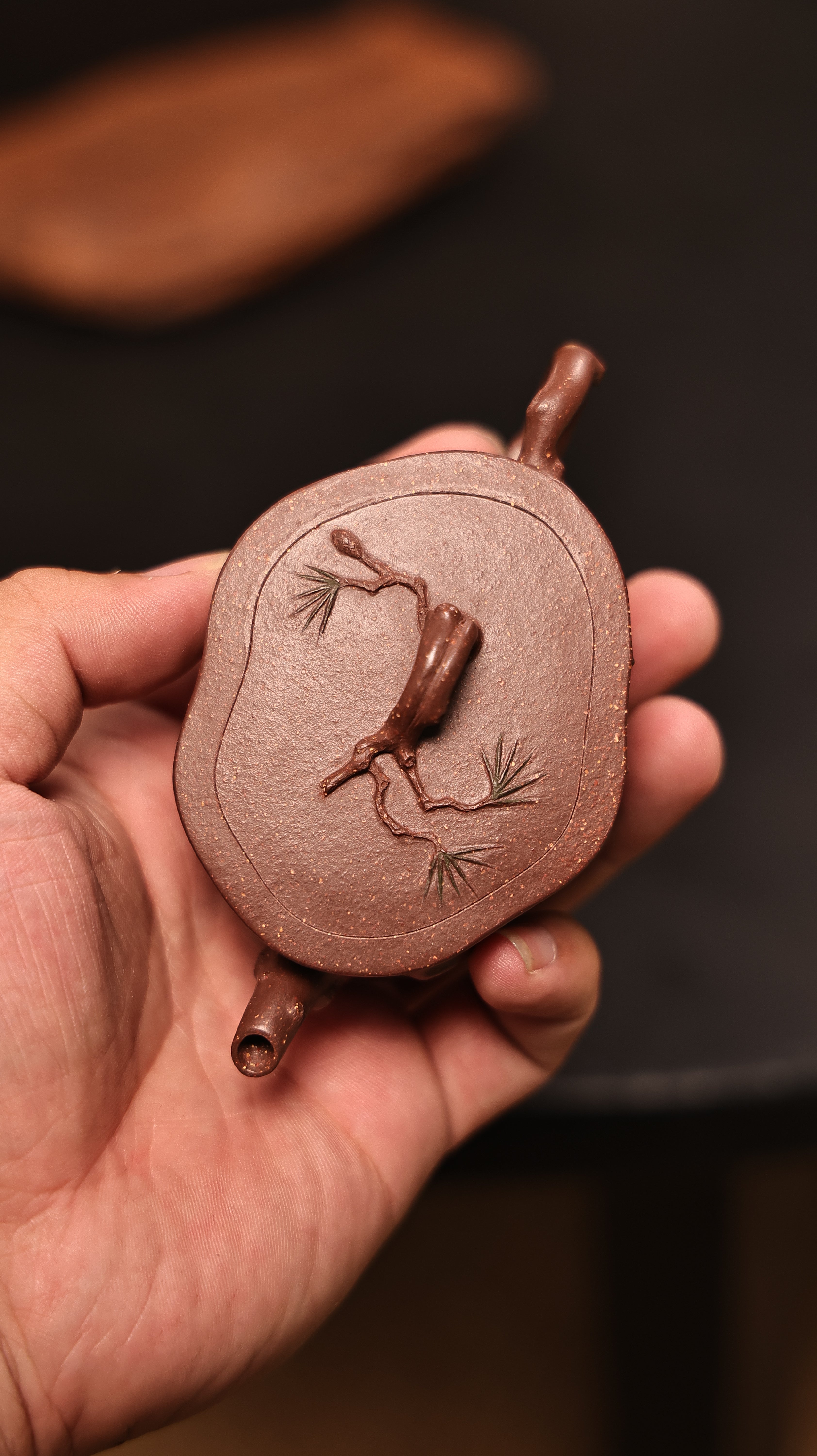
tradition honoring Yixing clay aroma keeper?
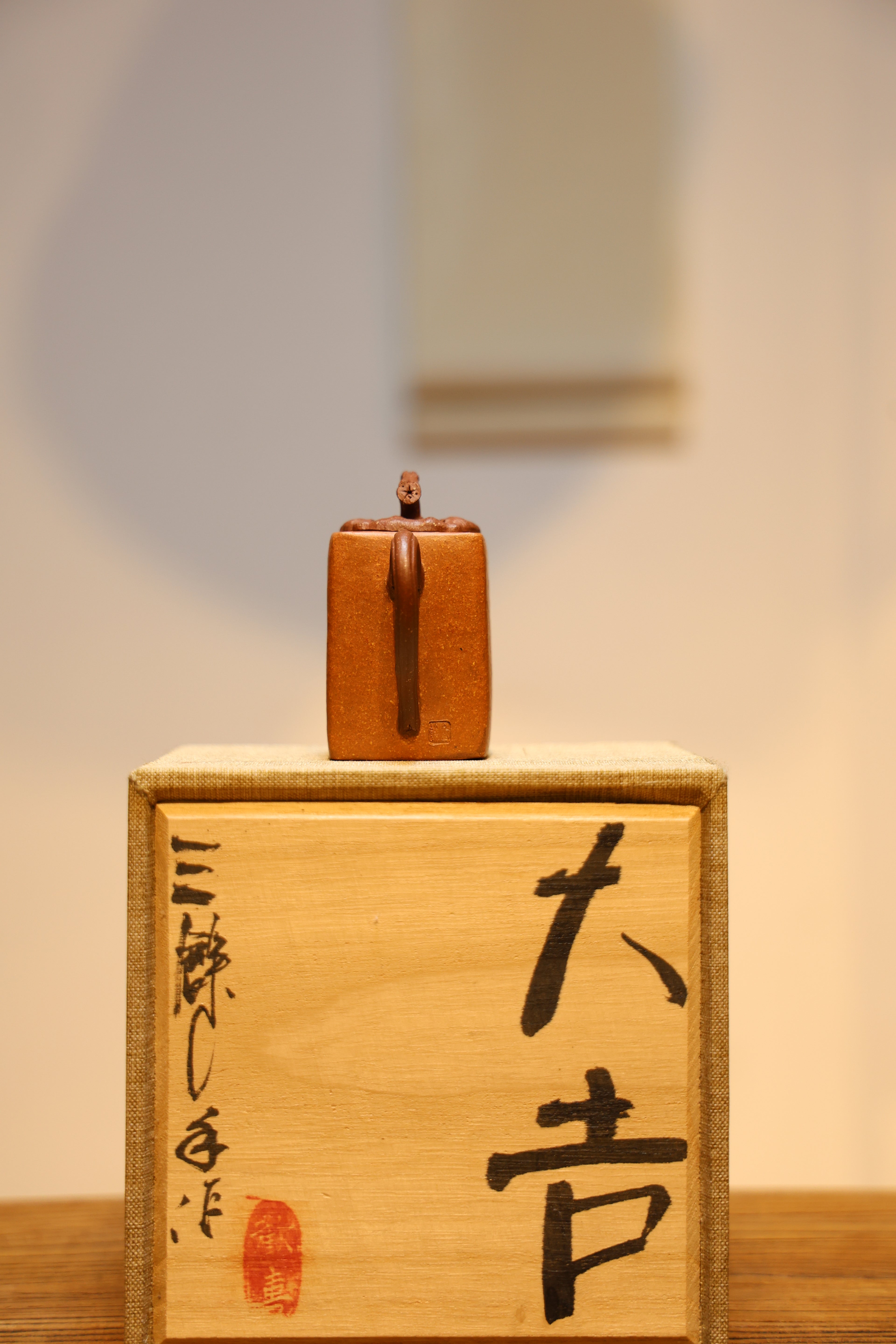
Beginning the extensive survey about Yihsing Zisha earthenware pots features distinct compelling union of artistry alongside performance.
Eysing Tz'u Sha brewing containers carry this unparalleled magnetism towards connoisseurs universally. Particular exceptional earthen vessels, begun from the special Yi-hsing province within Jiangsu district, China, feature more than just teaware; they are viewed as works design beauty and cherished significance. Unique finely selected clay, known referred to as Zisha, imparts a refined flavor within the tea, and the intricate designs, often revealing traditional Chinese themes, add to their essential value. Collecting a genuine Yixing Zisha teapot provides a worthwhile journey, calling for careful examination and an understanding of the countless factors influencing its scarcity.
Uncovering Yixing Brewing Vessels
Eysing clay pots boast a profound chronicle deeply interwoven with Chinese artistry. Originating in Yixing, Jiangsu province, these jugs are crafted from a unique, porous purple soil found only in that specific location. Their advancement began during the Ming reign, with master potters refining the practices over years. Numerous types occur, including the classic Hexiang (resembling crab shells), Zhuni (red-brown hue), and Duan Ni (stone-studded) – each with distinctive characteristics. The esteem of an Yixing pottery isn't solely based on its size or decoration, but also on the designer’s Yixing Zisha Teapot reputation, the soil's quality, and the teapot's age and condition. Aficionados often seek out older examples, believing they impart the character of the beverage brewed within them over time, further adding to their distinction.- Classic Brewing Vessels
- Earth-Toned Brewing Vessels
- Granite-Dusted Pots
Zisha Teapot Mastery: Fabrication & Approaches
The formation of Zisha teapots represents a pinnacle of Chinese ceramic ability. Skilled artisans employ historic techniques, often passed down through generations, to unlock the full capability of this unique clay. Practices involve meticulous forming by hand, often combined with the looping method, followed by precise baking at incredibly severe temperatures in wood-fired kilns. Illustrating is equally crucial; makers utilize original clay colors and may incorporate carving work to depict intricate scenes or patterns, demonstrating a profound comprehension of the material’s traits and capability. The completed teapot isn't merely a vessel for tea, but a testament to a lasting cultural legacy.
Ancient Pottery: A Insight to Yihsing 紫砂
Unveiling the world of Ancient teapots frequently initiates with Yixing Zisha. These particular clay pottery vessels are made from a singular type of clay extracted only in the Yixing region of the Jiangsu locale province. Famous for its unique reddish-purple hue and extraordinary attributes, Zisha clay imparts a delicate flavor to the infusion and ripens with age, forming into a cherished treasure. Possessing Yixing Zisha containers is more than just controlling a handsome object; it’s a salute of ancestry and artistry.
Exploring such Clay Pottery: Validity & Enhancement
Investigating the sphere of Yixing Zisha earthenware can be absolutely beneficial, but obliges a meticulous eye. Authenticity is paramount; many imitations exist, often ingeniously forged. Acquiring knowledge about historical kiln methods, distinctive clay essences, and the stamps of esteemed creators is thoroughly important. Additionally, grasping the subtleties of the appreciation swing – influenced by circumstances such as heritage weight and the appearance of the piece – is fundamental to advantageous procurement.
- Examining kiln trajectory.
- Turning to professionals for verification.
- Appraising business movements.
A Process of Creating with a Clay Teapot
Unique one-of-a-kind allure of a Zisha setup lies not just in its splendid appearance, but also in its distinguished impact on the aroma of the infusion. These antique clay earthen vessels, sourced from certain regions of China, possess a basic porosity that quietly interacts with the liquid and leaves, imbuing the tea with a light character. Mastering the technique requires a diligent approach, understanding how the ceramic responds to multiplex thermal states and tea types, ultimately leading to a sincerely rewarding sipping ceremony.
Conserving The Possession
Proper maintenance of your Yixing brewing pot is critical to retaining its quality. These singular teapots, crafted from remarkable Yixing clay, form a gradation over decades that magnifies their appeal. Sometimes rinse the inside with filtered water, avoiding detergents, and never use rough scrubbing tools. A gentle dusting with a plush cloth can aid in eradicating marks. Allow your kettle to properly dry once each infusion
Unlocking Terracotta: Elements This Ceramic Pots Illustrate Special
The noted appeal of Yixing teapots is sourced in the special properties of Earthenware clay, sourced solely near Yixing, that region. This noteworthy clay, recognized as ferruginous porcelain , contains a unique combination of minerals that, through use, assimilate the bouquet of the liquids it contains. This produces a exceptional note for each teapot, giving it a significance far transcending its baseline-level price and contributing to their sought-after status among aficionados.
Selecting the Best Ancient Kettle: A Zisha Manual
Venturing into the world of Zisha clay teapots can feel complex, but understanding the principles is essential to acquiring a coveted piece. This model of clay, sourced essentially from the Yixing region, the Jiangsu area, is celebrated for its exclusive grain and ability to boost the bouquet of the elixir over duration. Ponder the configuration, the tone, and the design quality; a original Zisha teapot is more than just a holder; it's a craftwork and a signifier of oriental culture. Inspect the signature of the maker for clues to its provenance and potential value.