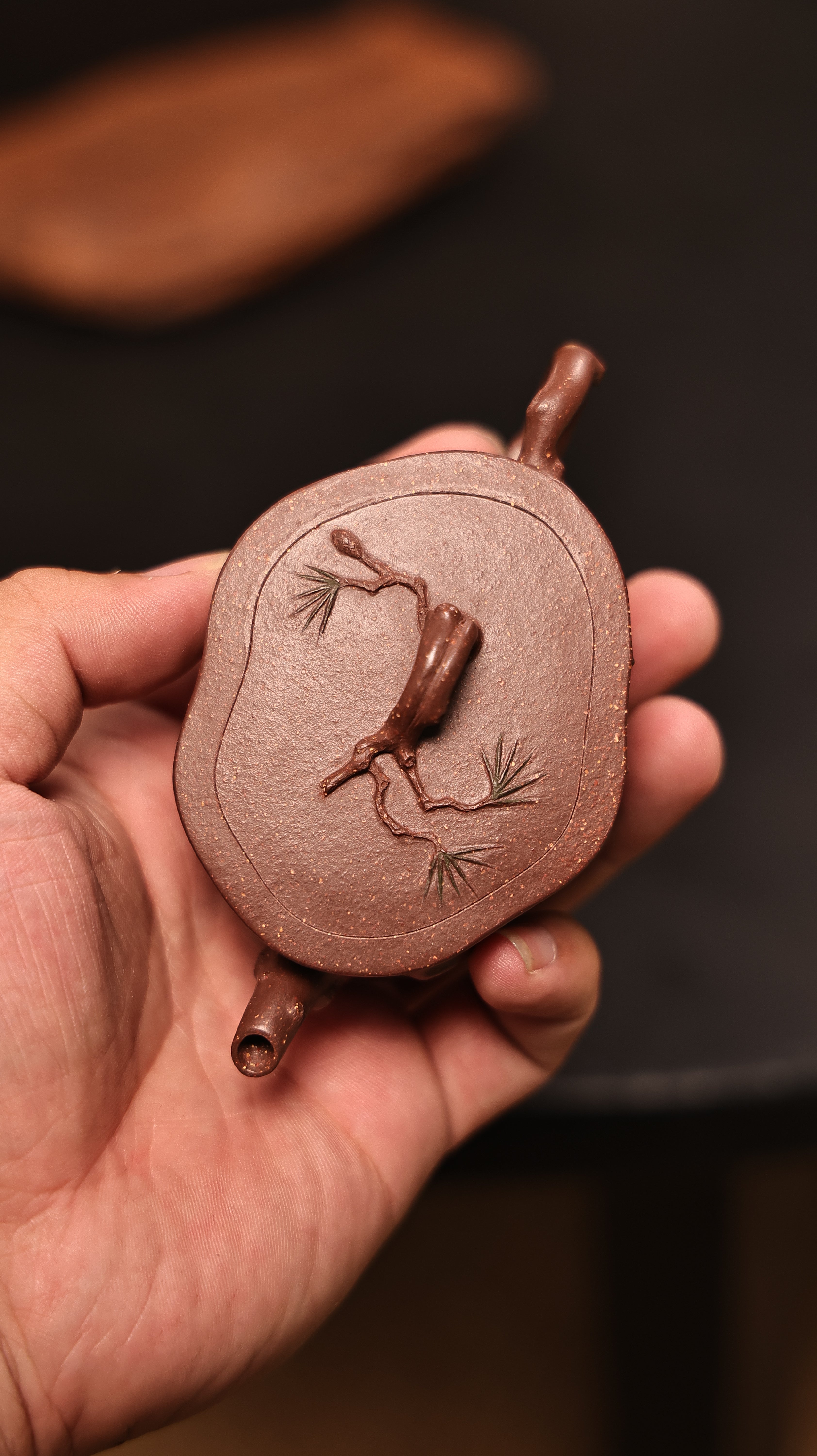
What makes a Purple Clay Teapot an effective tool for tea education and customer engagement?
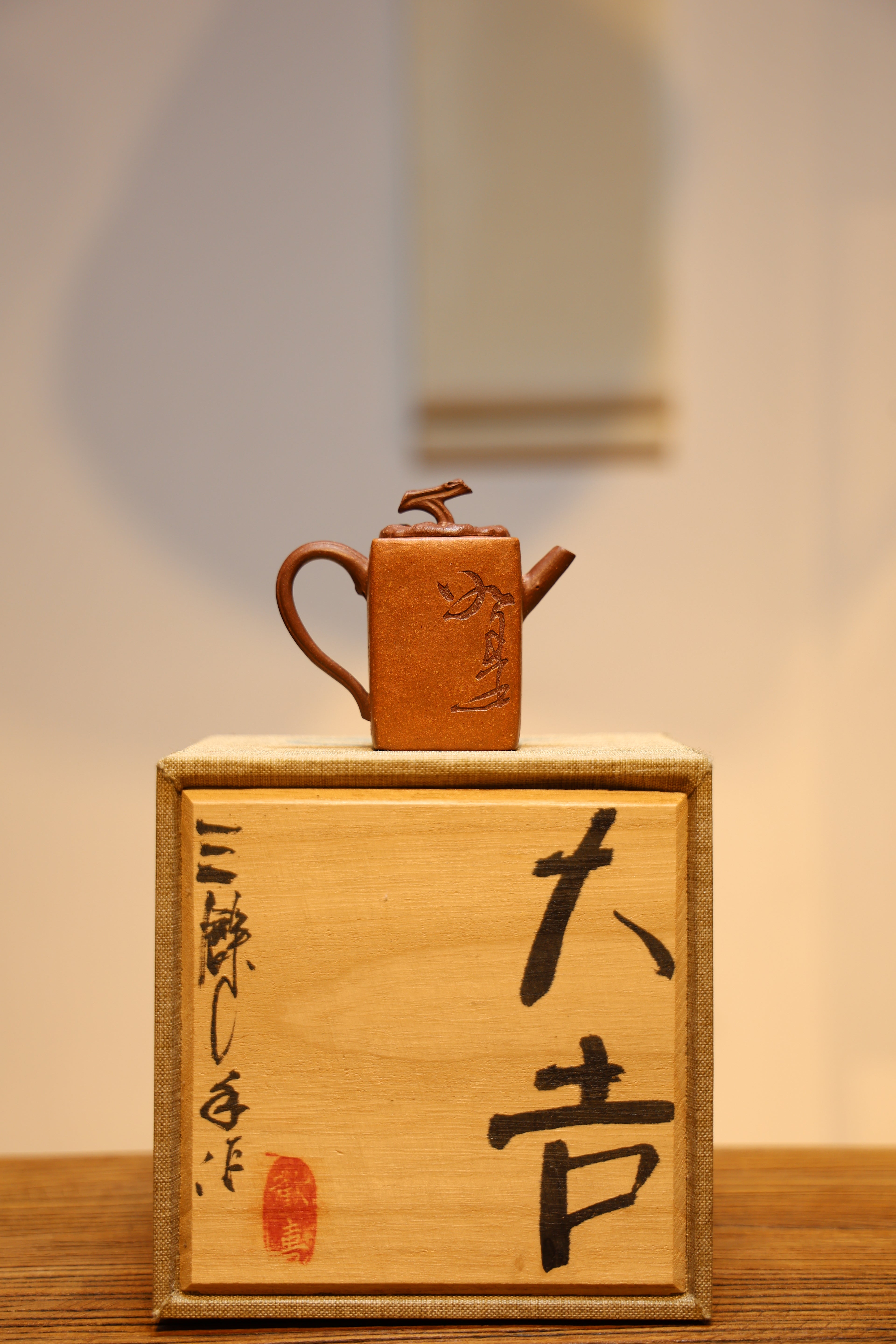
Everlasting history defines Yixing clay vessels within ages,
Demonstrating peculiar characteristics collected through homegrown plum particles, those containers evolve a sheen over usage, heightening profile yielded from made liquids.
Discovering Yixing Material: Detailed Insights into Zisha
Numerous followers honor the exceptional makeup of Yixing indigo clay, a foundation of traditional Chinese craft. Emanating from the Yixing region of Jiangsu province, this unique clay possesses an intricate mineral arrangement, such that imparts outstanding qualities to the realized wares. Forms within Zisha, including Bing Mud, Duan Ni Mud, and Jiang Xi Mud, each displays separate hues, textures, and processing traits, affecting the openness and the definitive aroma evolution of the elixir.
Far Eastern Carafe Legacies: Exploring Expertise
Far Eastern teapots embody far more mere urns for beverage; they represent centuries of legacy knowledge. From the exemplary Yixing clay variations, respected for their breathable nature which imparts particular flavors to the concoction, to the elegant porcelain from Jingdezhen, each piece discloses a tale of artistry. The fabrication process is an precise pursuit, often transmitted through clans of craftsmen. These artisans use time-honored practices such as hand-building, designing on wheels, and detailing, demonstrating profound reverence for the foundation and the discipline itself. Visualize the devotion invested in each piece as a symbol of Chinese craftsmanship legacy.
- Zisha crocks: a timeless preference.
- Fine china teapots: distinguished by their fragile design.
- Forming techniques: a intricate yet satisfying procedure.
Fine Purple Teapot Protection: Sustaining Your Cherished Item
Necessary tending of your precious Yixing Zisha urn is paramount to extending its aesthetic. Crafted from noteworthy purple sand compound, these exquisite teapots accumulate a appealing patina after use, substantially boosting their allure. Stay away from agents; a gentle rinse with warm solution is efficient. Steer clear of hot water for rinsing the teapot, as it may weaken its fabric. Allow it to lose wetness away from intense sunshine. Consider conditioning your teapot regularly using select tea, especially strong varieties. Here is a brief account:
- Wash off with warm fluid.
- Stay away from cleansers.
- Facilitate it to dry completely.
- Season with fine tea.
Beginnings of Yixing Teapots: Initial Phases
The saga of Yixing teapots emerges initially during the Zhao dynasty, roughly the 16th phase. Initially, these wares were not the respected items they are appreciated now. They were formed by homegrown potters using the unparalleled purple clay gathered solely in the Yixing vicinity. These early pieces were predominantly utilitarian, purposed for regular function and often basic in design. It was not until the Qing dynasty that they opened up to earn renown beyond mere serviceable objects.
Opting For the Proper Yixing Urn: A Beginner's Manual
Approaching the field of Yixing teapots can be formidable, but avoid worrying! For apprentices, the critical factor is understanding the substrate. Real Yixing clay is prized for its porosity, allowing the teapot to lock in the tea's essence over time, elevating every steeping session. Assess the configuration; traditional bulbous shapes prevail, yet individual preferences play a role. Lastly, observe the finish—while some favor an plain appearance, others value a gentle gloss. Take your time in the option process—this is an buying in a prized piece of production.
Fine Clay Pots and Their Influence on Chinese Concoction Custom
Zisha kettles, emerging from Yixing, China, have profoundly influenced historic Chinese infusion culture. The Yixing clay teapots, prized for their singular hue, pattern, and exceptional ability to impart a subtle aroma to the concoction, act as more than mere utensils; they are respected works of art and symbols of prominence. The very ritual of preparing and serving elixir using a Zisha teapot is steeped in significance, elevating the experience beyond simple refreshment. Sagas of artisans have refined their techniques, passed down through descendants, resulting in highly coveted pieces. For this reason, Zisha teapots are frequently Yixing Zisha Teapot preserved, playing a crucial part in cultivating Oriental appreciation for aesthetics and the science of concoction ceremonies.
- Special Clay Composition
- Giving Subtle Flavor
- Artistic Craftsmanship
Spotting Authentic Exceptional Provincial Containers
Collecting a authentic Yixing teapot can be a satisfying experience, but the market is often infested with frauds. Separating between a verified antique and a fresh reproduction requires careful inspection. Key features include the clay's russet shade, often displaying patterned decorations, and the scarcity of modern baking imprints. The design should reveal natural grace, reflecting the traditional Yixing approach. Finally, checking the potter's stamp is necessary to verify realness against documented records.
- Assess the clay's makeup.
- Look for anomalies, indicative of handmade quality.
- Engage an connoisseur for validation.
Investing in Eastern Earthenware: A Extensive Explanation to 紫砂 Analysis
The field of Purple Zisha crafts exhibits a unique venture for savvy patrons. Gradually, the valuation of these well-made artifacts is steered by various factors, such as the grade of purple clay, the artistry of the maker, the traditional value, and, naturally, the prevailing supply. Learners should dedicate effort on exploring the multiple classes of Zisha clay—such as Frozen River, Peaceful Container, and Ruby Mud—and studying the properties linked to each. Diligent review of the pot's design, hue, and seal is concurrently mandatory to make educated judgments when investing.