Why are premium juice brands shifting from other media to diatomaceous earth filters?
Openingsiliceous powder operates as optimal substance commonly harnessed in various manufacturing operations, particularly in liquid refinement. Taken from the fossilized remains of diatoms, it exhibits a unique permeable architecture that supports excellent clarification. Such substance performs by creating a porous coating on a filtering module, trapping finely suspended solids while permitting liquid flow. Opting for the ideal quality of siliceous filter medium is diatomaceous earth vital for peak operation.
Leveraging Fossilized Diatoms Material for Filtration
Diatomaceous soil, composed of the fossilized remains of microscopic algae called diatoms, presents a exceptional strategy for cleansing various compounds. Its structure, a fine network of silica shells, provides an incredibly ample surface area. This grants for highly powerful removal of contaminants from solutions. Applications range from liquid purification and fermented drink generation to recreational water screening and even soil-based applications. Merits include its organic origin, monetary advantage compared to numerous synthetic alternatives, and its power to effectively collect a extensive spectrum of toxins.
- Presents superior particle removal.
- Functions as a green choice.
- Suitable for many fields.
Treated Bleaching Soil: Properties and Purposes
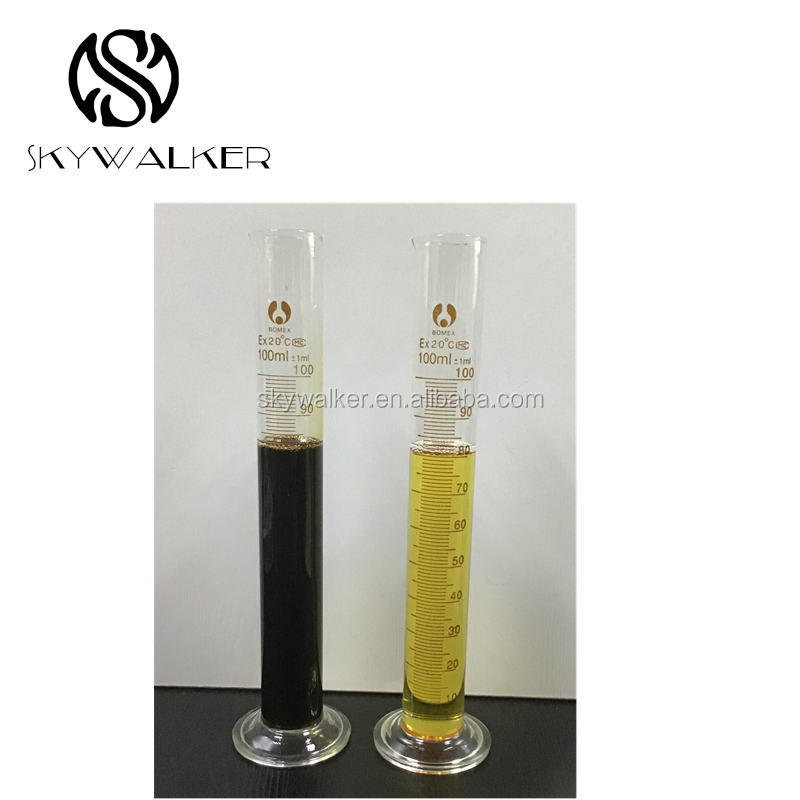
Modified bleaching matrix is a variety of natural kaolinite that has undergone specific conditioning to improve its binding capacity. This strategy typically involves catalytic conversion, resulting in a enhanced design with a extensive terrain. Consequently, it exhibits remarkable skill to eliminate stains from a broad array of phases, finding noteworthy duties in the purification of animal fats, oils, and other biogenic substances. Besides, its harmless quality and financial viability contribute to its growing use in various professions.
Choosing Between Diatomite and Alternative Filtration Media
Picking the most suitable clarification component for a specific process can be difficult. While zeolite and other variants exist, diatomite repeatedly presents a compelling case for its performance. Relative to these adversaries, diatomite generally offers improved cleanness and a larger throughput of filtration sediments. However, such top choice ultimately relies on variables such as value, operation requirements, and intended consequence quality.
Scientific Principles of Diatomite Filtration
Microshell earth or recognized as mineralized sediment filtration or filtering leverages the unique or distinct structure of or these microscopic minute algae shells. These said diatoms, upon when death, form generate a sedimentary earth-like rock deposit composed constructed of intricately delicately porous cellular silica silicon shells. This said porous honeycomb-like network matrix provides an incredibly remarkably large or surface for or trapping particulate dimensionless matter elements from between liquids moist environments, achieving encouraging highly profound exact filtration screening.
Augmenting Decolorization Potential of Enhanced Substances
Maximizing an decolorizing method using upgraded earth presents a useful method for increasing performance. The specific environmentally safe material, taken from earth, possesses remarkable affinitive characteristics that permit it to effectively decontaminate stained pigments from garments, thereby diminishing reliance on harsh chemical ingredients and facilitating a greater consequence.
Exploring Diatomite Grade Variations
Picking the correct diatomite category is vital for competent separation processes. Diatomite grades are labeled by their mesh extent, generally expressed in fractional sizes. Thinner grades, like FF or Filter-X, offer premium limpidity and are suited for soft liquids, while coarser grades, such as Perlite or Celite 500, supply a better filtrate velocity for less operations. Understanding these differences will aid you to heighten your clarification payoffs and reduce payments associated with the procedure.
Environmentally Friendly Sourcing of Fossilized Algae Earth
The booming demand for diatomaceous earth necessitates a attention on renewable sourcing methods. Traditional excavation often calls for significant ecological disturbance and can damage neighboring ecosystems. At present, forward-thinking firms are probing alternatives, such as reclamation of old sites, ensuring curtailed disruption and upholding biological habitats. Furthermore, openness in the flow is advancing crucial, allowing buyers to reach informed resolutions and champion environmentally sound practices. Accordingly, responsible governance of sedimentary mineral earth resources is vital for continued availability and reduced environmental effects.
- Abated land destruction.
- Remediation of mining sites.
- Enhanced accountability in the network.
Modified Clarifying Layer: A Empirical Understanding
Analyzing a academic perspective, activated bleaching clay represents a specific class of claystone minerals. Primarily, smectite material is structurally modified via treatment – typically involving thermal modification – to dramatically increase its absorbent characteristics. The activation creates a large spread with a significant number of reactive residues, facilitating the capture of tinted pollutants from fluids. The action mainly involves electrostatic linkages and dispersion phenomena, causing a brighter substance.